Reviewing the Howdy Valentine Coquette Png for Embroidery
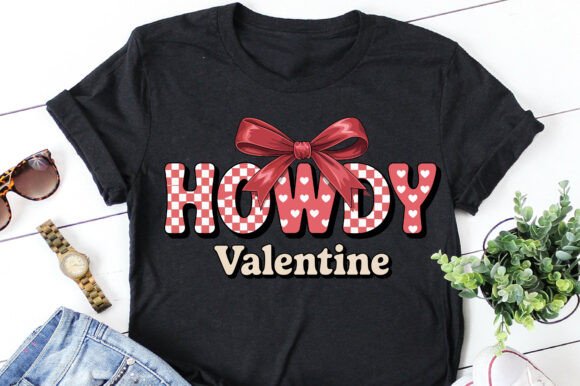
As a designer who spends half my life digitizing files and the other half testing them on actual fabric, I have learned to look past the glossy mockups. When I first opened the Howdy Valentine Coquette Valentine s Png, my immediate reaction was not just about the cuteness factor, though it is undeniably charming. My mind went straight to stitch paths, density, and fabric compatibility. This design, with its blend of Western flair and soft coquette aesthetics, presents a unique challenge and opportunity for embroidery professionals and hobbyists alike.
The visual personality of this graphic is distinct. It merges the rugged, friendly vibe of "Howdy" with the delicate, feminine touch of bows and hearts typical of the coquette trend. For an embroidery project, this contrast is vital. The bold lettering suggests a need for clean, solid fills, while the decorative elements require precision. If you are an Etsy seller or a small shop owner looking to capitalize on the Valentine’s Day rush, understanding how this translates from a digital file to thread is the difference between a bestseller and a return.
From Screen to Stitch: Real-World Application
I recently tested a similar concept on a custom embroidered tote bag, and the experience highlighted exactly where this type of design shines. The Howdy Valentine Coquette Valentine s Png is listed as a T-Shirt Design, but in the world of handmade products, versatility is key. I envision this working beautifully on sweatshirt embroidery, where the bulk of the fabric can support the weight of the stitches. The layout feels balanced, not too wide, which makes it ideal for left-chest placements on hoodies or centered designs on baby clothes.
When preparing this for a client’s holiday gift line, I considered the thread colors. The design likely relies on contrast. In embroidery, we do not have the infinite gradient capabilities of print. We have thread. Therefore, the success of this design depends heavily on your choice of thread colors. A classic red and white combination works, but consider pastel pinks paired with cream for a softer, more modern coquette look. The visual appeal of the finished product hinges on this decision. If the contrast is too low, the details get lost. If it is too high, it might look harsh against the soft theme.
Navigating Fabric and Hoop Constraints
One must be realistic about where this design belongs. While the product description highlights its use for POD (Print on Demand) and T-Shirt Designs, using it for machine embroidery requires careful planning. If you are stitching this on a cap, you are dealing with a curved surface. The "Howdy" text, if it contains intricate serifs or tight spacing, could pull or distort on a structured cap. I recommend using a sturdy stabilizer, perhaps a heavy-weight cut-away, to ensure the design remains crisp.
For those interested in creating an embroidered patch, this graphic is a strong candidate. Patches allow you to control the backing and stabilize the design fully before application. However, be mindful of stitch density. If the original graphic has dense black areas or solid shapes, your digitized version must account for this. High stitch density on thin fabric, like a lightweight tea towel or a silky pillow cover, will cause puckering. Always test the design on scrap fabric first. This is non-negotiable for professional results.
Small hoop sizes present another challenge. If you are using a 4x4 inch hoop, you may need to scale the design down. When you shrink a design, the stitch count does not always scale linearly, and small details can become unrecognizable blobs of thread. Check the small details, such as the ends of bows or the dots on hearts. If they are too tiny, they may not stitch out cleanly. In such cases, simplifying the digitization or choosing a larger hoop size, like 5x7 or 6x10, is the smarter move.
Commercial Viability and Brand Consistency
For craft business owners, the value of a design lies in its ability to attract buyers. The coquette aesthetic is currently trending, and combining it with a Western "Howdy" twist creates a niche appeal. This specificity helps with brand consistency. If your small shop product line focuses on rustic-chic or modern farmhouse styles, this design fits seamlessly. It enhances customer trust because it feels curated rather than generic.
However, since the product is provided as PNG, SVG, EPS, and AI files, it is primarily a graphic asset. To use it for commercial embroidery projects, you must digitize it or have it digitized. Do not assume the SVG file is ready for your embroidery machine. SVGs are vector graphics for cutting or printing, not stitch files. You will need to convert these design assets into a proper embroidery file format compatible with your machine. This step is crucial for maintaining professionalism. Selling a poorly digitized item can damage your reputation as an Etsy seller.
Practical Designer Notes for Best Results
Before you commit to producing a batch of personalized gifts, consider these practical steps:
- Test on Scrap Fabric: Always run a test stitch-out on the same material you plan to use for the final product. This reveals issues with tension and registration.
- Check Thread Color Contrast: View your design in black and white. If the elements blend together in grayscale, they will lack definition in thread.
- Review Stitch Density: Ensure that large filled areas are not too dense, which can cause fabric distortion, especially on stretchy fabric.
- Confirm Hoop Size: Measure the design dimensions against your available hoops. Ensure there is enough margin for the frame to grip the fabric securely.
- Inspect Small Details: Zoom in on the vector file. Are there tiny gaps or overlapping lines? These need to be cleaned up during digitization to prevent thread breaks.
- Use Proper Stabilizer: Match your stabilizer to your fabric texture. Knits need cut-away; wovens can often use tear-away.
- Verify Licensing: The product description mentions commercial use for POD, but confirm the terms for physical handmade goods. Ensure you have the right to sell the finished product.
Final Thoughts on the Design
The Howdy Valentine Coquette Valentine s Png is a versatile graphic with strong potential for embroidery adaptation. It captures a specific mood that resonates with current trends. For the experienced designer, it offers a fun challenge in balancing bold typography with delicate motifs. For the beginner, it serves as a reminder that a beautiful graphic is only the starting point. The true art lies in the translation to thread.
Whether you are creating a boutique branding item, a wedding gift, or a simple holiday decoration, the key is preparation. Respect the limitations of the medium. Understand your fabric. Choose your threads wisely. When you do, this design can elevate your handmade product from simple to exceptional. It is not just about putting a picture on a shirt; it is about creating a tactile experience that customers value. That is the hallmark of a successful craft business.