Reviewing the Howdy Cowgirl Autumn Design
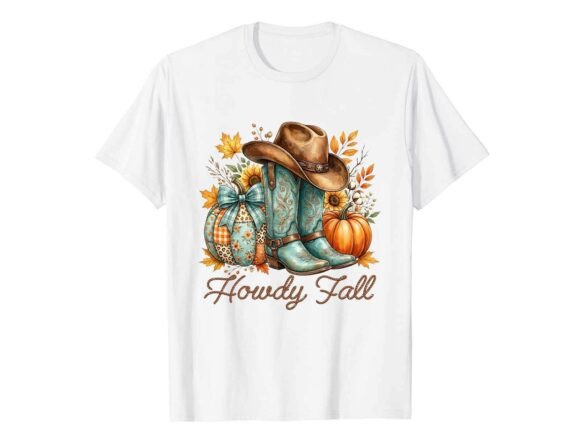
As a designer who spends more time staring at stitch simulations than I care to admit, I have learned that not every T-Shirt Designs graphic translates well to thread. Some look fantastic on a screen but turn into a tangled mess under the needle. When I first pulled up the Howdy Cowgirl Autumn Fall T-Shirt file, my initial reaction was cautious optimism. The preview showed a charming blend of western nostalgia and seasonal warmth, featuring vintage cowboy boots, a rustic cowgirl hat, pumpkins, sunflowers, and fall leaves. But does it hold up in the hoop? After running several test stitches and evaluating its potential for real-world embroidery project applications, I am ready to share my practical assessment.
First Impressions: Mood and Visual Balance
The immediate appeal of this design lies in its cohesive theme. It captures that specific "country girl" aesthetic that performs exceptionally well in boutique markets. The layout is balanced, with the boots anchoring the bottom and the hat providing a strong focal point at the top. The inclusion of sunflowers and pumpkins adds organic shapes that break up the rigidity of the text and footwear. For an Etsy seller or small shop product creator, this visual personality is crucial. It feels curated rather than generic. The mood is inviting and rustic, perfect for autumn marketing campaigns. However, from a technical standpoint, I noticed the interplay between the detailed floral elements and the bolder boot outlines. This contrast is visually appealing but requires careful attention to stitch density to ensure the smaller details do not get lost or cause fabric puckering.
Real-World Application: Beyond the T-Shirt
While the title suggests this is primarily for T-Shirt Designs, limiting it to apparel would be a mistake. In my recent workflow, I tested this machine embroidery design on a heavy canvas tote bag. The result was striking. The rustic elements complemented the natural texture of the canvas, creating a high-value handmade product that felt substantial and well-crafted. I also envision this working beautifully as sweatshirt embroidery. The larger surface area of a crewneck sweatshirt allows the design to breathe, preventing the intricate leaf details from becoming cramped.
For those running a craft business, consider this design for seasonal holiday embroidery projects. It fits seamlessly into October and November product lines. I recently mocked it up for a set of kitchen towels, using a lighter fill stitch approach for the pumpkins to keep the fabric soft. The versatility extends to personalized gift items as well. Imagine this stitched onto a denim jacket or a structured cap. The western theme aligns perfectly with current trends in personalized fashion. However, when moving to curved surfaces like caps, one must be mindful of the design's width. If the hoop size is too small for the full graphic, you may need to scale it down, which could compromise the legibility of any smaller text or fine leaf veins.
Technical Considerations and Stitching Clarity
Let us talk about the nuts and bolts of stitching this Graphics file. The mix of elements means you are dealing with various stitch types. The cowboy boots likely utilize a combination of satin stitch for the shafts and fill stitch for the wider areas. The sunflowers and leaves may rely on running stitch or lighter fills to maintain delicacy. This variation is a double-edged sword. On one hand, it creates visual interest and texture. On the other, it demands precise tension settings. If your machine tension is off, the transition between dense boot stitches and delicate flower petals can cause registration issues.
I strongly advise testing this embroidery file on scrap fabric that matches your final project material. If you are stitching on a thin cotton t-shirt, the density of the boots might cause puckering. In such cases, using a cut-away stabilizer is non-negotiable. For textured fabrics like towels or fleece, the design holds up well, but you must ensure the thread colors provide enough contrast. A dark brown thread on a navy shirt might look sophisticated, but if the sunflowers are a muted yellow, they could disappear. Always check your design in black and white mockups to verify contrast levels before committing to expensive threads.
Navigating Fabric and Hoop Constraints
Where should you use caution? Small hoop sizes are the biggest enemy of detailed designs. If you are working with a 4x4 inch hoop, you will likely need to split the design or significantly reduce its size. Shrinking it too much will merge the individual leaves into a blob and make the boot details indistinguishable. For baby embroidery projects, such as onesies, I recommend isolating just the hat or a single pumpkin element rather than using the full composite design. The full graphic is simply too large and dense for delicate infant fabrics.
Additionally, be wary of stretchy fabrics. The horizontal span of the boots and hat can distort if not properly stabilized. If you are creating an embroidered patch to sew on later, this design is ideal. Patches allow you to use heavy-duty stabilizers and stiff backings, ensuring the finished product remains crisp and professional. This approach also solves the issue of stitching on difficult garments like puffer jackets or thick denim, where hooping the garment itself is impractical.
Commercial Value and Brand Consistency
From a business perspective, the Howdy Cowgirl Autumn Fall T-Shirt design has strong commercial potential. It appeals to a specific demographic that values rustic charm and seasonal relevance. Using this design in your commercial embroidery lineup can enhance brand consistency if your shop focuses on country, western, or farmhouse styles. High-quality stitching of this design builds customer trust. When buyers see clean edges and well-defined details, they perceive higher value. This perception is critical for digital embroidery file sellers who provide printable mockup previews. Your mockups must accurately represent the stitch quality to avoid customer disappointment.
Furthermore, this design serves as an excellent design asset for cross-promotion. You can use the same graphic for social media content, email headers, and product tags, creating a cohesive autumn campaign. For custom apparel orders, offering this as a premium add-on can increase average order value. It is distinct enough to stand out in a crowded market but familiar enough to feel comfortable and welcoming.
Final Designer Notes
Before you load this design into your machine, take a moment to review the technical specifications provided by the creator. Since exact stitch counts and file formats were not detailed in the initial description, you must verify compatibility with your specific machine model. Check if the file includes multiple formats such as PES, DST, or JEF. Confirm the recommended hoop size to avoid scaling errors. Most importantly, review the licensing terms. If you plan to sell finished product items or use this in a small shop product line, ensure you have the appropriate commercial license.
In summary, the Howdy Cowgirl Autumn Fall T-Shirt is a versatile and aesthetically pleasing addition to any autumn collection. It requires thoughtful execution regarding stabilizer choice and thread contrast, but the payoff is a professional, eye-catching piece that resonates with customers. Whether you are creating a tote bag design for a local fair or a custom gift for a friend, this design offers the right blend of charm and technical feasibility. Treat it with the respect it deserves in the hoop, and it will elevate your seasonal offerings significantly.