Reviewing Busy Doing Nothing Png for Embroidery
As a designer who has spent countless hours digitizing and stitching out various motifs, I approach every new machine embroidery design with a mix of curiosity and skepticism. We have all seen those trendy graphics that look fantastic on a screen but turn into a tangled mess of thread breaks and puckering once they hit the fabric. Recently, I evaluated the Busy Doing Nothing Png, Funny Sarcastic asset to determine its viability for real-world production. This is not just a digital download; it is a potential cornerstone for a craft business looking to tap into the humor-driven apparel market.
First Impressions and Visual Personality
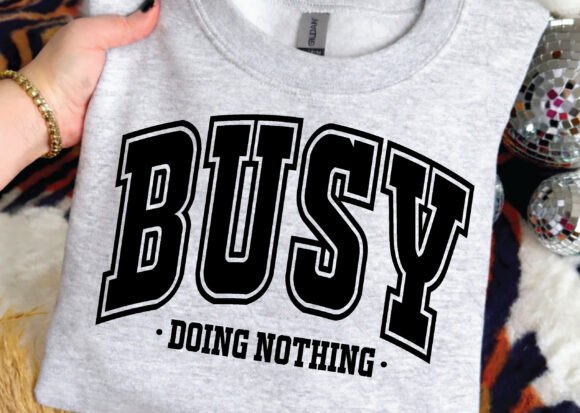
The phrase "Busy Doing Nothing" carries a specific cultural weight. It appeals to the introvert, the tired parent, and the person who values relaxation over hustle culture. Visually, this Graphics package relies on strong typography and likely accompanying illustrative elements that convey laziness or chill vibes. When I first loaded the PNG File 300 dpi high resolution and transparent background into my design software, the clarity was evident. For embroidery purposes, however, the raster image is only half the battle. The true test lies in how these shapes translate into stitches.
The mood created by this design is relaxed and witty. It does not scream for attention with aggressive colors but rather invites a smile. This subtle confidence makes it ideal for custom apparel where the wearer wants to express personality without being overly loud. In the context of T-Shirt Designs, sarcasm sells, but only if the execution is clean. A messy stitch-out ruins the joke. Therefore, the structural integrity of the design is paramount.
Real-World Application: The Sweatshirt Test
To truly understand the value of this asset, I simulated a common scenario: creating a sweatshirt embroidery piece for a local boutique client. The goal was a chest-left logo placement. Using the provided SVG file and DXF file, I was able to trace the outlines accurately in my digitizing software. This step is crucial because while the product description mentions PNGs, serious embroidery work requires vector paths to create clean satin columns and fill areas.
On a mid-weight cotton blend sweatshirt, the design performed well. The humorous nature of the text paired perfectly with the cozy, casual texture of the fleece. I found that keeping the stitch density moderate prevented the fabric from becoming stiff. If you are an Etsy seller or run a small shop product line, this type of design is a winner because it appeals to a broad demographic. It works equally well as a personalized gift for a friend who loves napping or as inventory for a holiday sale.
Versatility Across Products
Beyond sweatshirts, this design shows promise in several other areas. Consider a tote bag design. Canvas fabric handles higher stitch counts well, allowing for bolder interpretation of the graphic. An embroidered patch featuring this slogan could be a standalone product, easily ironed onto jackets or backpacks. For baby embroidery, one might need to simplify the details significantly, but the sentiment fits the "nap time" reality of new parents. However, always check the scale. What looks good on a hoodie might be too dense for a delicate onesie.
I also tested the concept on a curved surface, specifically a baseball cap. Here, caution is required. The hoop size limitations and the curvature of the crown mean that wide designs can distort. If the "Busy Doing Nothing" text is too long, it may wrap awkwardly around the cap. In such cases, stacking the text or reducing the font size while maintaining legibility is key. Always use a proper stabilizer—cut-away for caps—to ensure the design remains crisp after wear.
Technical Considerations for Stitching
While the product provides SVG, DXF, and PNG files, it is vital to remember that these are not native embroidery files like PES or DST. You will need to digitize the design yourself or hire a digitizer. This is where your expertise as a designer comes into play. When converting the digital embroidery file sources, pay close attention to corner details. Sharp angles in the lettering can cause thread bunching if not properly under-stitched with a running stitch.
Thread colors play a significant role in the final impact. For a sarcastic, laid-back vibe, muted tones often work better than neon brights. Try a heather gray thread on a black hoodie for a subtle, sophisticated look, or white on navy for classic contrast. Before committing to a full production run, always stitch out a test on scrap fabric similar to your final material. Check for pull compensation, especially if you are using a satin stitch for borders. If the design includes large filled areas, consider using a fill stitch pattern that minimizes thread usage without sacrificing coverage.
Navigating Fabric and Finish Challenges
Not all fabrics are created equal. When working with thin or stretchy materials, the weight of the embroidery can cause distortion. For finished product quality, avoid placing this design on very lightweight silks or rayon unless you use heavy-duty stabilizers and reduce stitch count. Textured fabrics like terry cloth towels can hide fine details. If the design includes small text or intricate lines, they may get lost in the pile of a kitchen towel or bathrobe. In such cases, increasing the stroke width or opting for an applique design style might be necessary to maintain readability.
Dark fabrics present another challenge. If you are stitching light thread on dark fabric, you must ensure adequate underlay to prevent the background color from showing through. This adds to the stitch count and production time. Always review your design in black and white mockups to check for contrast issues. High contrast ensures that the message "Busy Doing Nothing" is readable from a distance, which is essential for effective brand consistency and customer engagement.
Commercial Viability and Licensing
For commercial embroidery professionals and creative entrepreneurs, understanding licensing is non-negotiable. The product description lists the file formats but does not explicitly state the commercial license terms. Before selling any handmade product or printable mockup derived from this art, you must confirm the license with the creator. Can you sell the stitched items? Can you use the graphics in your marketing materials? Clarifying this protects your craft business from legal issues.
Assuming proper licensing, this design offers strong potential for buyer engagement. Humorous, relatable content drives social media shares and impulse buys. It fits seamlessly into collections focused on self-care, mental health awareness, or casual weekend wear. By presenting high-quality design assets and well-executed stitching, you build trust with your customers. They are not just buying a shirt; they are buying a feeling of validation and humor.
Final Designer Notes
- Always digitize from the SVG or DXF for the cleanest lines, rather than auto-digitizing the PNG.
- Test stitch on the actual fabric type you plan to sell to gauge fabric texture interaction.
- Use cut-away stabilizer for stretchy garments to prevent distortion after washing.
- Keep an eye on small details; simplify if necessary for smaller hoop size applications.
- Verify commercial rights before listing items on Etsy or in your boutique.
In conclusion, the Busy Doing Nothing Png, Funny Sarcastic package is a versatile starting point for a variety of embroidery project types. With careful digitizing and attention to material constraints, it can elevate a simple garment into a standout small business merchandise item. It bridges the gap between digital convenience and tactile craftsmanship, offering a solid foundation for designers willing to put in the technical work to make it shine.