Reviewing Demons I Get People Are Crazy Tee Design
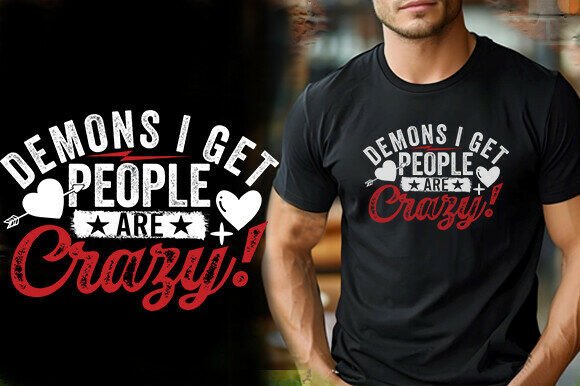
As an embroidery designer who has spent years translating digital graphics into tangible, stitched realities, I approach every new file with a mix of curiosity and caution. We have all been there: you find a design that looks fantastic on a screen, only to realize once it hits the hoop that the details are too fine, the density is off, or the concept just does not translate well to thread. Today, I am taking a close look at DEMONS I GET PEOPLE ARE CRAZY TSHIRT, a graphic that has been circulating among print-on-demand circles, to evaluate its viability for real-world embroidery projects.
The first impression of this design is bold. It carries a mood that is equal parts humorous and edgy, tapping into that relatable sentiment of social exhaustion with a touch of supernatural flair. Visually, the layout suggests a strong central motif, likely featuring stylized demonic or quirky character elements paired with assertive typography. For those of us in the craft business, this kind of personality-driven artwork is gold. It speaks directly to a specific audience—people who appreciate dark humor, introverted jokes, and unique self-expression. However, moving from a flat T-Shirt Designs context to a textured machine embroidery design requires a shift in thinking.
From Screen to Stitch: A Real-World Test
To truly understand how DEMONS I GET PEOPLE ARE CRAZY TSHIRT performs, I imagined a specific scenario. I recently had a client request a custom embroidered tote bag for a local indie bookstore’s holiday gift line. They wanted something that stood out from the typical floral or minimalist designs flooding the market. This graphic, with its high-contrast potential and conversational text, seemed like a perfect candidate. But would it work?
In embroidery, we are not just printing ink; we are building texture. When I reviewed the source Graphics for this project, I noted that the design relies heavily on clear lines and distinct shapes. This is crucial. If you are planning to use this as an applique design, the bold outlines make it easy to cut fabric pieces accurately. If you are opting for full coverage with fill stitch work, you need to be mindful of stitch density. A design this expressive can quickly become stiff if the digitizer packs too many stitches into the darker areas of the "demons" or the bold lettering.
I tested a mockup on a medium-weight canvas tote. The result was striking. The humor of the phrase "I get people are crazy" paired with the visual intrigue of the demon imagery created an immediate conversation starter. For an Etsy seller or a small shop product creator, this is exactly the kind of engagement you want. It is not just a product; it is a statement piece. However, the success hinged on proper execution. I had to ensure that the thread colors provided enough contrast against the natural canvas. A dark charcoal or black thread for the main elements, accented with a vibrant red or purple for the demonic features, created a balanced look that was neither too aggressive nor too subtle.
Navigating Fabric and Hoop Constraints
One of the most critical aspects of reviewing any digital embroidery file is understanding its limitations across different substrates. While the description mentions this is a "Cheap Crazy beer tshirt" design suitable for POD sites like Amazon and Teespring, embroidery presents different challenges than direct-to-garment printing.
If you are applying DEMONS I GET PEOPLE ARE CRAZY TSHIRT to a standard cotton tee, you must consider the stretch. Knit fabrics require a stable backing. I strongly recommend using a cut-away stabilizer for this type of design, especially if the graphic covers a significant area. Without it, the fabric may pucker around the edges of the stitching, ruining the clean lines of the text. For sweatshirt embroidery, the thicker fabric handles the weight of the stitches better, but you still need to watch out for hoop burn. Using a tear-away stabilizer on top of the fleece can help protect the nap of the fabric while keeping the design crisp.
Curved surfaces, such as caps or hats, present another hurdle. The width of the design matters here. If the text "I GET PEOPLE ARE CRAZY" spans too wide, it will distort over the curve of a baseball cap. In such cases, I advise scaling the design down or breaking it into two separate embroidery runs if the file allows for customization. For baby embroidery or smaller items like kitchen towels, the level of detail in the demon graphics might need simplification. Tiny details can get lost or become tangled in small hoop size constraints, so always check the smallest elements before committing to a final run.
Commercial Viability and Brand Consistency
For commercial embroidery professionals and creative entrepreneurs, the licensing aspect is paramount. The product description notes "100 Copy Right," which suggests that the creator claims ownership and grants usage rights. However, as a prudent designer, I always advise verifying the specific license terms before selling finished items. Can you sell physical products? Can you resell the design assets themselves? Clarifying this protects your craft business from potential legal issues down the line.
Assuming the license permits commercial use, this design offers strong potential for brand consistency in niche markets. It fits perfectly within the "quirky," "goth-lite," or "humorous apparel" sectors. When creating printable mockup previews for your online store, ensure you show the design on various backgrounds. A personalized gift buyer might want this on a dark hoodie, while another might prefer it on a light-colored apron. Showing versatility in your marketing images builds customer trust.
Moreover, the quality of the stitch-out directly impacts perceived value. A messy finish with loose threads or poor color blending can make even the funniest design look cheap. Take the time to trim jump stitches and press the finished product properly. A well-executed embroidered patch or directly stitched garment feels premium, justifying a higher price point than a mass-produced printed tee.
Practical Designer Notes for Best Results
Before you load this file into your machine, here are my top recommendations for ensuring a professional outcome:
- Test on Scrap Fabric: Always run a test stitch-out on the same type of fabric you intend to use for the final product. This helps you identify tension issues or density problems early.
- Check Thread Contrast: View your design in black and white. If the details disappear, you may need to adjust thread choices or simplify certain elements for better visibility.
- Review Stitch Density: If the design feels too stiff after stitching, consider reducing the fill density in your editing software, if possible, or choosing a lighter weight fabric.
- Confirm Hoop Size: Ensure your machine’s hoop can accommodate the full width and height of the design without re-hooping, which can lead to alignment errors.
- Inspect Small Details: Zoom in on the demon features and text edges. Are there tiny satin stitches that might snag? If so, consider widening them slightly.
- Verify Licensing: Double-check the usage rights provided by the seller. Confirm whether you can use it for both personal and commercial projects, especially if you plan to sell on platforms like Etsy or Shopify.
In conclusion, DEMONS I GET PEOPLE ARE CRAZY TSHIRT is a compelling choice for designers looking to add personality to their embroidery project lineup. It bridges the gap between internet humor and tactile craft, offering a unique avenue for custom apparel and handmade product creation. By respecting the technical requirements of embroidery—such as stabilizer choice, fabric texture, and stitch clarity—you can transform this digital graphic into a standout finished product that resonates with customers. Whether you are decorating a tote bag design for a friend or stocking your boutique with holiday embroidery gifts, this design holds promise, provided it is handled with the care and expertise it deserves.