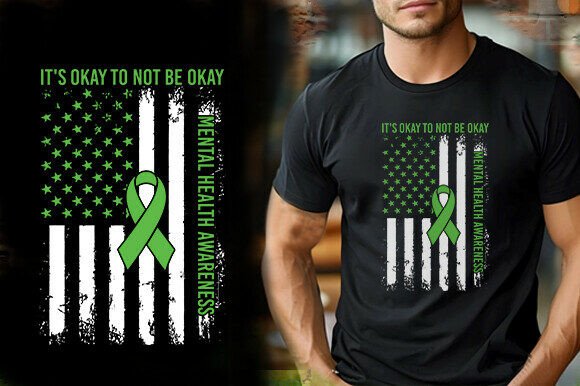
Reviewing the USA Flag Mental Health Embroidery Design
As a designer who has spent years digitizing and reviewing embroidery patterns, I approach every new file with a critical eye. We are not just looking at pixels on a screen; we are visualizing how thread will interact with fabric, how tension will affect the final look, and how the finished piece will resonate with the end user. Recently, I evaluated the USA FLAG IT S OKAY to NOT BE OKAY MENTAL design, a graphic that merges patriotic symbolism with a crucial mental health message. This review is intended for embroidery designers, small business owners, Etsy sellers, and crafters who need practical insight before committing this design to their machines.
First Impressions and Visual Impact
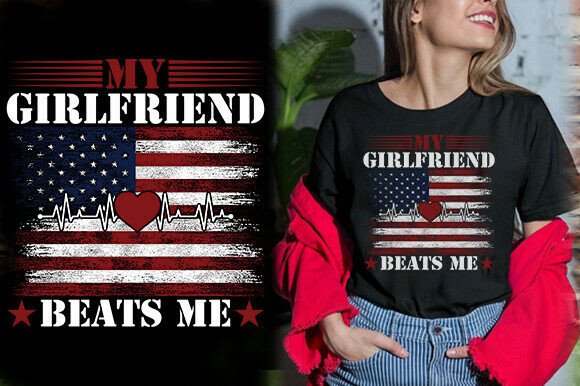
The immediate appeal of this design lies in its juxtaposition. The American flag is a symbol often associated with strength and resilience, while the phrase "It's Okay to Not Be Okay" introduces vulnerability and empathy. From a layout perspective, this combination creates a powerful narrative. For those of us working in T-Shirt Designs and Graphics, balancing these elements is key. The design does not feel cluttered; rather, it uses the familiar structure of the flag to frame the text, making the message legible and impactful.
When I first loaded the preview, I considered the mood it evokes. It is supportive yet bold. This makes it an excellent candidate for custom apparel aimed at raising awareness or offering comfort. The visual personality is grounded, avoiding overly decorative flourishes that might distract from the core message. For an embroidery project, this clarity is essential. Complex, overly ornate designs can lose their meaning when translated into thread, but this concept relies on strong shapes and clear typography, which tend to stitch out well.
Real-World Application and Product Fit
To truly understand the value of a machine embroidery design, you must imagine it on actual products. I envisioned this design stitched onto a heavyweight cotton tote bag. The sturdy fabric would support the stitch density, allowing the flag’s stripes and the text to stand out without puckering. This would make for a meaningful handmade product suitable for community events, therapy offices, or personal use.
Another strong application is sweatshirt embroidery. A navy or heather grey crewneck provides a neutral background that allows the red, white, and blue threads to pop. The softness of the fleece contrasts nicely with the structured look of the embroidery, creating a cozy yet statement-making piece. For Etsy sellers and small shop product creators, this versatility is a major selling point. It appeals to a broad demographic, from veterans seeking mental health support to everyday individuals practicing self-care.
I also considered its use as an embroidered patch. Patches are trending in the craft business sector because they allow customers to customize their own jackets or bags. If this design is digitized with a satin stitch border, it could be cut out and applied as a high-quality patch. This adds value to your design assets portfolio, offering customers multiple ways to engage with the artwork.
Technical Considerations for Stitching
While the concept is strong, the execution depends heavily on technical details. One must consider stitch density. Flags typically involve long runs of color, which can be prone to shifting if the stabilizer is not adequate. I recommend using a cut-away stabilizer for stretchy fabrics like t-shirts and sweatshirts to prevent distortion. For woven fabrics like tote bags or aprons, a tear-away might suffice, but testing is crucial.
The text component, "IT S OKAY to NOT BE OKAY," requires careful attention. Small lettering can become illegible if the stitches are too dense or if the thread color lacks contrast against the background. When reviewing this as a digital embroidery file, check the font choice. Sans-serif fonts usually embroider cleaner than script fonts. Ensure there is enough spacing between letters to prevent them from merging into a solid block of thread, especially after washing.
Fabric texture also plays a role. On textured fabrics like terry cloth towels or rough linen, fine details may get lost. This design works best on smooth to moderately textured surfaces. Avoid using it on very thin or slippery fabrics unless you have advanced hooping skills and appropriate underlay stitches. For baby embroidery items, ensure the back of the stitching is covered or soft, as sensitive skin can be irritated by dense fill stitches.
Color Strategy and Contrast
Color selection can make or break this design. The traditional red, white, and blue palette is expected, but consider how it reads on different garment colors. On a white shirt, the white parts of the flag will disappear unless you use a light grey or silver thread for definition. On dark fabrics, ensure the red is vibrant enough to stand out. I always advise running a test stitch on scrap fabric in both light and dark variations. This helps you determine if you need to adjust thread colors for better visibility.
For a modern twist, some designers might opt for muted or pastel tones to soften the patriotic imagery and emphasize the mental health aspect. However, stick to the classic colors if you want immediate recognition. The key is consistency. Your thread colors should complement the garment, not clash with it. Use a color chart to plan your palette before threading the machine.
Commercial Viability and Branding
For commercial embroidery professionals, this design offers a unique niche. Mental health awareness is a growing market, and combining it with patriotic themes taps into a specific community vibe. It is suitable for holiday embroidery projects around Veterans Day or Independence Day, where the focus shifts from celebration to support and acknowledgment. This emotional connection can drive higher engagement and sales for your finished product.
When listing this item, use clear photos that show the texture of the stitches. A printable mockup can help visualize the design, but real photos build trust. Show close-ups of the lettering to prove clarity. Highlight the quality of the hoop work and the neatness of the backing. These details signal professionalism to potential buyers.
Practical Designer Notes
Before launching this design into your production line, follow these steps:
- Test on Scrap Fabric: Always stitch a sample on the same material you plan to sell. Check for puckering, thread breaks, or registration issues.
- Check Hoop Size: Confirm the design fits within your standard hoop sizes. If it is large, you may need a multi-position hoop or a larger machine frame.
- Inspect Small Details: Zoom in on the digital file. Look for unnecessary jump stitches or complex areas that might cause thread bunching.
- Verify Licensing: Since the source description mentions experience with Amazon and custom merch, ensure you have the correct commercial license to sell physical items made with this embroidery file. Do not assume rights; read the terms carefully.
- Consider Stabilizer: Match your stabilizer to the fabric weight. Heavy designs need strong support.
In conclusion, the USA FLAG IT S OKAY to NOT BE OKAY MENTAL design is a thoughtful addition to any embroidery library. It balances aesthetic appeal with emotional resonance. By paying attention to technical details like stitch density, color contrast, and fabric choice, you can produce high-quality items that resonate with customers. Whether you are creating a personalized gift, a tote bag design for a fundraiser, or inventory for your online store, this pattern offers a meaningful way to combine craft with compassion.