Reviewing the Gigi Patchwork Mama Design
As a designer who spends more time staring at stitch maps than finished garments, I have learned that not every graphic translates well to thread. When I first pulled up the Gigi Patchwork Mama Mothers Day Shirt asset, my immediate reaction was one of cautious optimism. The visual language here is distinct—it leans into that cozy, handmade aesthetic that dominates the spring retail season. But does it hold up under the needle? That is the question every serious embroidery professional must ask before committing to a production run.
The file provided is a high-resolution PNG, sized at 4500×5400 pixels with 300 DPI. For those of us working in the digital space, this is a robust starting point for printable mockups and design assets. However, because this is categorized under Illustrations and Graphics rather than a native machine embroidery format like PES or DST, we need to talk about translation. If you are an Etsy seller or a craft business owner, you likely have a preferred digitizing software or a trusted digitizer. This review focuses on how the visual elements of this specific graphic will perform when converted into a tangible embroidery project.
First Impressions and Visual Mood
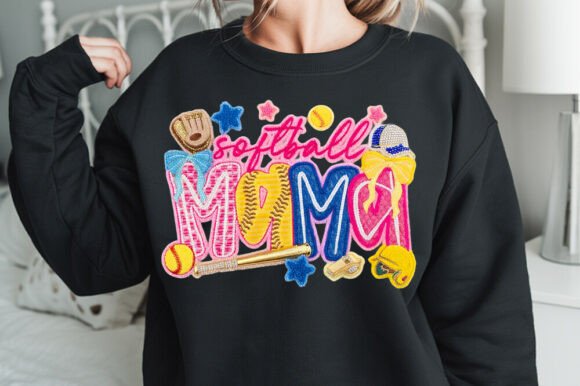
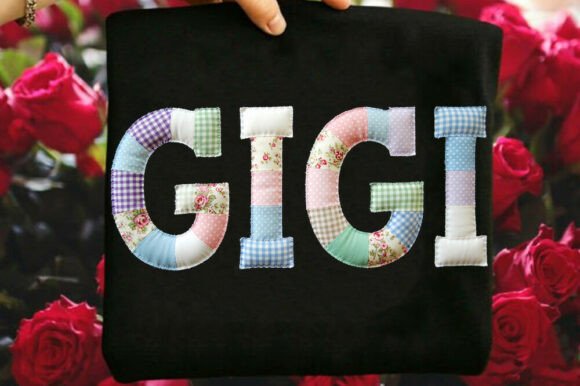
The "Patchwork Mama" theme evokes warmth, nostalgia, and a sense of curated imperfection. In the context of holiday embroidery, specifically for Mother’s Day, this mood is exactly what buyers are seeking. They are not looking for sterile, corporate perfection; they want something that feels personal and crafted with love. The layout of the Gigi Patchwork Mama Mothers Day Shirt graphic suggests a central focal point, likely surrounded by textured elements that mimic fabric scraps or quilted patterns.
From a design perspective, the challenge lies in the detail level. Patchwork implies many small shapes and color changes. In embroidery, this can quickly become a nightmare of thread breaks and excessive jump stitches if not managed correctly. When evaluating this graphic for real-world use, I look at the contrast between the elements. Are the boundaries clear? Yes. This clarity is crucial for maintaining stitching clarity, especially when working with thread colors that might bleed into one another on certain fabrics.
Real-World Application: The Custom Sweatshirt Test
Let’s imagine a realistic scenario. A client approaches your small shop product line requesting a custom gift for her mother. She wants a high-quality, heavyweight cotton sweatshirt. This is the ideal canvas for the Gigi Patchwork Mama Mothers Day Shirt design. The thickness of the sweatshirt fabric provides the necessary stability for a design that may have moderate to high stitch density.
When digitizing this graphic for a sweatshirt, I would recommend using a combination of fill stitch for the larger patchwork areas and satin stitch for any bordering text or outlines. The texture of the sweatshirt will hide minor imperfections, making the final finished product look plush and premium. For an embroidered patch application, this design would also shine. You could stitch it out on twill, cut it out, and apply it as a badge on a denim jacket or a canvas tote bag design. This versatility increases the perceived value of your handmade product.
However, caution is required when considering baby embroidery. While the theme is perfect for a new grandmother, the fabric choice matters immensely. Baby clothes are often made from thin, stretchy knits. If you attempt to stitch this detailed graphic directly onto a onesie without proper stabilization, you risk puckering. In such cases, creating a separate patch and sewing it on is a safer, more professional approach that ensures the personalized gift remains durable through countless washes.
Navigating Fabric and Hoop Constraints
One of the most critical aspects of using any graphic for embroidery is understanding its limitations regarding hoop size and fabric texture. Since the source file is a large PNG, you have the flexibility to scale it down. But scaling down introduces risks. Tiny details in the "patchwork" elements may become indistinguishable if reduced too much. I always advise testing the design on scrap fabric first. Check how the small corners hold up. Do they turn into blobs of thread? If so, you may need to simplify the digitizing or increase the size.
Dark fabric presents another challenge. If you are stitching this on a navy or black garment, you must ensure your digitizing includes an underlay that effectively covers the base fabric. Without it, the dark background might peek through the lighter threads of the patchwork design, ruining the visual appeal. Conversely, on light fabrics, you have more leeway, but you must still be mindful of stabilizer choice. A cut-away stabilizer is generally recommended for garments that will be washed frequently, ensuring the design retains its shape over time.
Curved surfaces, such as caps or hats, require extra attention. The Gigi Patchwork Mama Mothers Day Shirt graphic, with its potentially wide layout, might not fit well on a standard cap front panel unless significantly resized. If you do adapt it for headwear, consider simplifying the internal details to prevent distortion on the curved surface. This is where your expertise as a designer adds value—knowing when to say no to a specific application to protect the quality of the final item.
Commercial Value and Brand Consistency
For commercial embroidery professionals, consistency is key. Using a high-quality graphic like this helps build brand recognition. When customers see a clean, well-executed design, they trust the maker. This trust translates into higher engagement and repeat business. The "Mama" theme is evergreen, not just for Mother’s Day. It can be adapted for birthdays, baby showers, or everyday wear, extending the lifecycle of your digital embroidery file investment.
It is important to note that since you are receiving a PNG file, you are responsible for the digitization process or hiring someone to do it. This step is crucial for maintaining professionalism. A poorly digitized version of a beautiful graphic can look amateurish and damage your reputation. Always inspect the stitch path, minimize jump stitches, and ensure the thread tension is balanced. These technical details separate a hobbyist from a professional apparel decorator.
Practical Designer Notes for Success
To get the best results from the Gigi Patchwork Mama Mothers Day Shirt graphic, keep these practical tips in mind:
- Test on Scrap Fabric: Never stitch directly on the final garment without a test run. This allows you to adjust tension and density.
- Check Thread Contrast: Ensure your chosen thread colors stand out against the fabric. Use a color wheel to find complementary or contrasting shades that enhance the patchwork effect.
- Review Stitch Density: High density can make fabric stiff. Balance fill areas with open spaces to maintain the drape of the garment.
- Confirm Hoop Size: Measure your hoop capacity against the scaled design dimensions to avoid re-hooping errors.
- Inspect Small Details: Zoom in on the digitized file. Are there tiny elements that might cause thread breaks? Simplify if necessary.
- Mockup Testing: Use the high-res PNG to create black and white mockups. This helps visualize contrast and layout before you spend money on thread and fabric.
- Licensing Verification: Always confirm the license terms for commercial use. Since this is a graphic file, ensure you have the right to sell the physical embroidered items.
In conclusion, the Gigi Patchwork Mama Mothers Day Shirt graphic offers a strong foundation for a variety of custom apparel and home decor projects. Its success depends entirely on your ability to translate the visual charm of the illustration into precise, well-executed stitches. By respecting the constraints of fabric, hoop size, and digitizing techniques, you can create a finished product that delights customers and elevates your brand. Whether you are creating a tote bag for a local market or a premium sweatshirt for an online boutique, this design has the potential to be a standout piece in your collection.