Reviewing the Big Sister Beanie Bow Ghost Print
As an embroidery designer who spends more time staring at digitized paths than I care to admit, I approach every new machine embroidery design with a mix of curiosity and skepticism. We have all been there: you download a cute graphic, load it onto your machine, and watch in horror as the thread nests or the fabric puckers because the density was all wrong. That is why I took a close, practical look at the Big Sister Beanie Bow Ghost Print. This isn’t just about whether it looks good on a screen; it is about how it performs when needle meets fabric in a real-world embroidery project.
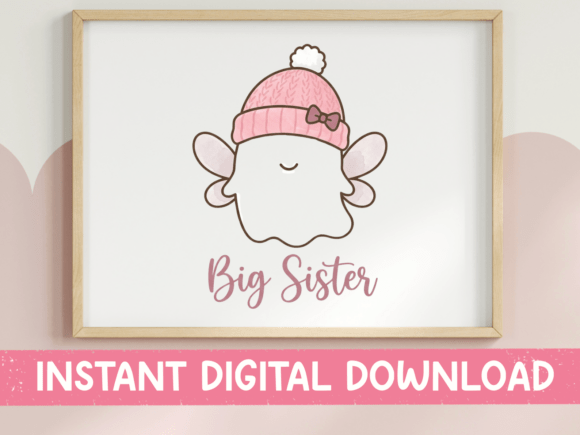
The first impression of this design is undeniably charming. It captures a specific niche mood that blends Halloween whimsy with sibling pride. The central figure—a tiny ghost sporting fairy wings and a fluffy pink pom-pom beanie tied with a bow—is detailed enough to be interesting but simple enough to remain clear at smaller sizes. The addition of "Big Sister" in dusty pink script adds a personalized touch that instantly elevates it from a generic holiday graphic to a meaningful keepsake. For those of us running a craft business or selling as an Etsy seller, this emotional connection is what drives sales.
Visual Appeal and Stitching Clarity
When evaluating Graphics for embroidery, I always look at the balance between fill areas and open space. This design leans heavily on the contrast between the solid elements of the beanie and the delicate lines of the fairy wings. In a real-life scenario, imagine stitching this onto a soft, heather grey sweatshirt. The dusty pink script needs to stand out against the fabric, so thread choice is critical. If you are using a standard polyester thread, ensure your tension is dialed in perfectly to prevent the satin stitch edges from fraying or looking messy.
The layout frames the ghost centrally, which makes it versatile. It does not demand a massive hoop, but it also isn’t so tiny that it gets lost. This balance is crucial for custom apparel. If you are creating a sweatshirt embroidery piece for a child, the design sits comfortably on the chest without overwhelming the garment. However, the hand-lettered script requires careful attention. Script fonts in embroidery can be tricky; if the letters are too thin, they may break during washing. I recommend checking the stitch width of the text in your software before hitting start. If the digits allow, adding a slight underlay or ensuring a dense enough zigzag can help the text survive the life of a personalized gift.
Real-World Application Scenarios
I recently considered this design for a client who wanted matching sibling outfits for October. While the product category lists it under T-Shirt Designs, I found its true potential lies in heavier fabrics. A t-shirt might be too thin to support the density of the beanie’s pom-pom and the bow without significant stabilizer work. Instead, I envision this shining on fleece jackets, denim tote bags, or thick cotton aprons.
For a tote bag design, the durability of the stitch matters. Parents throw kids' items in the wash constantly. Using a cut-away stabilizer would be my go-to choice here to maintain the shape of the ghost’s wings and the structure of the hat. If you are making an embroidered patch to iron onto a backpack, this design is ideal. The contained shape of the ghost and beanie creates a natural border, making it easy to trim and finish with a merrowed edge or a simple satin stitch border.
Beyond clothing, think about home decor. A holiday embroidery pillow cover featuring this ghost could be a hit in a nursery. The "Big Sister" text makes it a perfect milestone gift for a family expecting a second child. It transforms a seasonal item into a memory piece. For small shop product lines, offering this on baby blankets or burp cloths could differentiate your brand from competitors who only offer generic pumpkins and bats.
Technical Considerations and Pitfalls
While the design is strong, there are areas where caution is needed. The fairy wings are a delicate detail. If you are stitching on a textured fabric like terry cloth or a waffle knit, those fine lines might get lost in the pile. In such cases, I advise using a water-soluble topping to keep the stitches sitting on top of the fabric texture. Similarly, if you are working with stretchy fabrics like jersey knits for baby embroidery, proper hooping is non-negotiable. Use a floating method with strong adhesive stabilizer to prevent the fabric from shifting, which would distort the cute symmetry of the bow and beanie.
Another consideration is color contrast. The description mentions dusty pink script. If you stitch this on a white or light pastel fabric, it will look soft and sweet. But if a customer wants it on a black hoodie for a spooky vibe, you must change the thread colors. The pink might not pop enough against dark fabric. I always test my digital embroidery file in a black-and-white mockup first to check for value contrast. If the light and dark areas blend together, the design loses its impact. For dark fabrics, consider switching the script to a brighter pink or even white to ensure readability.
Regarding hoop size, while the exact dimensions aren't specified in the brief, this design likely fits well in a 4x4 or 5x7 hoop. Always confirm the actual stitch area in your software. Trying to squeeze a design that is meant for a 5x7 into a 4x4 hoop will result in cropped wings or cut-off text, ruining the finished product.
Commercial Viability and Brand Consistency
For commercial embroidery professionals, consistency is key. This design offers a cohesive look that can be part of a larger collection. If you are building a brand around whimsical, family-oriented holiday items, the Big Sister Beanie Bow Ghost Print fits seamlessly. It appeals to the buyer who wants something unique but not overly scary. It bridges the gap between Halloween fun and family sentimentality.
When listing this as a design asset or selling the handmade product, transparency about care instructions builds trust. Advise your customers to wash inside out in cold water. This simple tip preserves the integrity of the satin stitches and keeps the pom-pom detail looking fresh. High-quality presentation, including clear photos of the stitched result on different fabrics, helps buyers visualize the quality. A printable mockup can help, but nothing beats a photo of the actual thread texture.
Final Designer Notes
Before you commit to a large batch of custom apparel or list this in your shop, do a test run. Stitch it out on scrap fabric similar to your final product. Check the thread colors for bleeding or shading issues. Inspect the back of the embroidery to ensure no excessive jumping threads or loose tails that could irritate sensitive skin, especially for baby items.
Also, verify the licensing terms. Just because you have the embroidery file does not automatically mean you have commercial rights. Always read the license agreement provided by the creator. If you are unsure, reach out to the designer. Protecting your small business from copyright issues is just as important as the quality of your stitching.
In conclusion, the Big Sister Beanie Bow Ghost Print is a thoughtful, well-conceived design that offers great versatility for the right projects. It shines best on stable, medium-weight fabrics where its details can be appreciated. With careful attention to stabilizer choice, thread contrast, and fabric texture, it can become a standout item in your holiday collection. It is not just a graphic; it is a story stitched in thread, ready to bring joy to a big sister and her family.