Review: My Favorite Soccer Player Calls Me Dad
As a designer who spends more time staring at stitch simulations than actual fabric, I have learned that not every graphic translates well to thread. Some designs look fantastic on a screen but turn into a tangled mess under the needle. When I first pulled up MY FAVORITE SOCCER PLAYER CALLS ME DAD, my initial reaction was cautious optimism. It is a sentiment that resonates deeply with a specific niche of sports-loving parents, but the execution determines whether it becomes a bestseller or a return statistic.
This review is not just about aesthetics; it is about practical application. I am evaluating this design from the perspective of someone who needs to produce high-quality, durable embroidered items for clients, Etsy shops, and craft fairs. Let’s dig into how this graphic holds up in the real world of machine embroidery.
First Impressions and Visual Personality
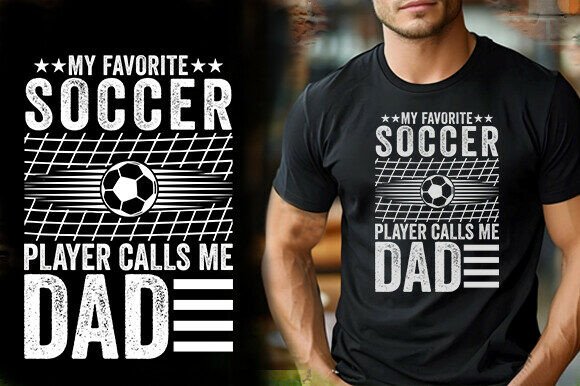
The mood of MY FAVORITE SOCCER PLAYER CALLS ME DAD is playful, proud, and affectionate. It taps into the universal experience of parenthood mixed with sports fandom. Visually, the layout appears balanced, likely featuring bold typography paired with soccer-related iconography. For an embroidery project, this combination is critical. Text-heavy designs require careful attention to font weight and spacing to ensure legibility after stitching.
The theme is evergreen. Unlike trends that fade after a season, the bond between a parent and their child’s sporting achievements is timeless. This makes the design a strong candidate for long-term inventory in a small shop product line. The visual personality suggests it belongs on casual, comfortable items rather than formal wear. It screams "weekend game day" and "proud sideline parent."
Real-World Application and Product Fit
Where does this design actually shine? In my experience, this type of graphic performs exceptionally well on custom apparel. Imagine this stitched onto a heather grey sweatshirt embroidery project. The texture of the fleece provides a stable base for the stitches, and the casual nature of the garment matches the playful tone of the text. It is also a natural fit for a tote bag design. Parents carrying gear to practice fields would appreciate a sturdy canvas bag featuring this message.
I also see significant potential in the baby embroidery market. A onesie or a soft bib with this phrase makes for an incredibly popular personalized gift. However, scaling is key here. What works on a large adult hoodie will not work on a infant garment without significant adjustment. For smaller items, you must ensure the design retains its clarity. If the original file is intended for larger hoops, you may need to resize it carefully or select a simplified version if available.
Another excellent application is the embroidered patch. Patches are versatile; they can be ironed onto jackets, backpacks, or hats. A patch allows you to stitch the design on a stable backing before applying it, which eliminates many of the issues associated with stitching directly onto difficult fabrics. This approach is particularly useful for cap embroidery, where the curved surface and thick seams can cause registration errors.
Technical Considerations for Stitching
Let’s talk about the mechanics. When working with a design like MY FAVORITE SOCCER PLAYER CALLS ME DAD, stitch density is your primary concern. If the design relies heavily on fill stitch for large background elements, it can become stiff and heavy. This is undesirable for baby clothes or lightweight t-shirts. You want a balance of satin stitch for borders and text, and appropriate fill stitch for any icons, ensuring the fabric remains flexible.
Thread colors play a massive role in the final impact. Since this is a soccer-themed design, traditional greens, whites, and blacks are obvious choices. However, do not be afraid to experiment. A navy blue thread on a cream sweatshirt can look sophisticated and boutique-like. Always test your thread color contrast on scrap fabric first. What looks good on your monitor might lack definition in real life.
Fabric texture also matters. On textured fabrics like terry cloth towels or waffle-knit shirts, fine details can get lost. If you plan to use this on a kitchen towel for holiday embroidery gifts, ensure the lettering is bold enough to stand out against the loops of the fabric. Running stitch details should be avoided on loose-weave materials as they can pull or distort the fabric.
Challenges and Where to Be Careful
While the design is charming, there are pitfalls. Small hoop sizes can be restrictive. If the phrase is long, it might not fit comfortably in a 4x4 inch hoop without reducing the size to the point of illegibility. Always confirm hoop size compatibility before purchasing or downloading a digital embroidery file. If the design is too wide, consider splitting it or choosing a different layout.
Stretchy fabric is another challenge. Stitching directly onto a thin, stretchy t-shirt requires a high-quality stabilizer. Without proper stabilization, the fabric will pucker, and the text will warp. For dark fabric, you must consider the underlay stitches. If the design includes light-colored thread on a black shirt, a dense underlay is necessary to prevent the dark fabric from showing through the top stitches.
Tiny lettering is often the downfall of many T-Shirt Designs. If the font in MY FAVORITE SOCCER PLAYER CALLS ME DAD has intricate serifs or very thin lines, it may not stitch out cleanly. Check the smallest details in a preview. If possible, view the design in black and white mockups to assess contrast and clarity without the distraction of color.
Commercial Value and Brand Consistency
For Etsy sellers and creative entrepreneurs, this design offers strong commercial embroidery potential. It targets an emotional purchase decision. People buy these items to express love and pride. This emotional connection increases the perceived value of the handmade product. However, professionalism is key. A poorly stitched item damages brand consistency and customer trust.
To maintain high standards, always inspect the finished product for loose threads and proper tension. Your presentation matters as much as the design itself. Use printable mockup tools to showcase how the design looks on various items, but ensure your actual photos reflect the true quality of your stitching. Clear, honest previews help manage customer expectations and reduce returns.
Practical Designer Notes
Before you commit to production, follow these steps:
- Test on Scrap Fabric: Never stitch a new design directly on your final garment. Use a similar fabric scrap to check tension and density.
- Check Licensing: Confirm whether the design assets allow for commercial use. If you are selling finished items or digital products, you must have the right license.
- Review Stitch Density: Ensure the design is not too dense for the intended fabric. Heavy stitching on thin material causes puckering.
- Verify File Formats: Make sure you have the correct embroidery file format for your machine. Common formats include PES, DST, and JEF, but this varies by manufacturer.
- Assess Scalability: Determine if the design can be resized without losing detail. Some graphics are fixed-size due to complex stitch patterns.
In conclusion, MY FAVORITE SOCCER PLAYER CALLS ME DAD is a strong contender for your design library if handled with technical care. It fits naturally into the categories of custom apparel, personalized gifts, and small business merchandise. By paying attention to stabilizer choice, thread contrast, and fabric suitability, you can transform this graphic into a high-quality finished product that customers will cherish. Whether you are creating a holiday gift or stocking your online store, this design offers a blend of sentiment and style that, when executed well, stands out in the crowded market of sports-themed Graphics.