Caffeine and Panic: A Designer’s Review
As an embroidery designer who has spent years digitizing files and testing them on everything from flimsy cotton to heavy denim, I approach every new machine embroidery design with a critical eye. It is not just about whether the image looks good on a screen; it is about how those stitches will behave under the needle. Recently, I evaluated the Caffeine and Panic Mental Health Anxiety design, a piece that sits squarely in the popular niche of relatable mental health humor. For Etsy sellers, small shop owners, and craft entrepreneurs, understanding the practical application of this graphic is essential before committing thread to fabric.
First Impressions and Visual Personality
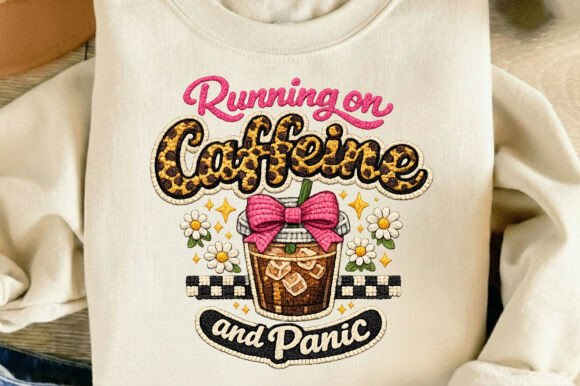
The immediate mood of Caffeine and Panic Mental Health Anxiety is chaotic yet comforting. It taps into the modern zeitgeist where coffee culture and anxiety often intersect. Visually, the layout suggests a blend of bold typography and illustrative elements. When reviewing such T-Shirt Designs, I look for balance. Does the text overpower the imagery? Is there enough negative space to let the stitches breathe? This design appears to leverage high-contrast elements, which is crucial for readability. The theme is unmistakably aimed at a younger, socially aware demographic that appreciates self-deprecating humor. For a handmade product, this personality translates well into items meant to spark conversation or provide a sense of shared experience.
Real-World Application: The Sweatshirt Test
To truly judge an embroidery file, you must imagine it on a specific product. I visualized this design stitched onto a heavyweight, oversized sweatshirt. This is a staple item for any craft business targeting the mental health awareness niche. The texture of French terry or fleece provides a stable base for the stitches. In this scenario, the Caffeine and Panic Mental Health Anxiety motif would likely sit centered on the chest or slightly offset for a contemporary look. The robust nature of a sweatshirt allows for higher stitch density without causing puckering, meaning the details in the lettering and any accompanying graphics can remain crisp. Customers reacting to this personalized gift would likely appreciate the tactile quality of embroidery over a flat print, adding perceived value to the finished product.
However, the application extends beyond apparel. Imagine this as a tote bag design. Canvas bags are durable and popular among students and professionals alike. Here, the design serves as a statement piece. The contrast between the sturdy fabric and the intricate stitching enhances the professional appearance of the item. For an Etsy seller, offering this as a ready-to-ship item or a custom option could drive significant engagement, provided the execution is flawless.
Navigating Technical Challenges
While the concept is strong, practical execution requires caution. Not all fabrics are created equal. If you plan to use this design on thin or stretchy fabric, such as a lightweight t-shirt or a baby onesie, you must be vigilant. Thin fabrics cannot support dense areas of stitching without proper reinforcement. In these cases, using a high-quality cut-away stabilizer is non-negotiable. Without it, the fabric may pucker around the text, ruining the clean lines of the design. Furthermore, if the design includes tiny lettering, you must check the legibility. Small details can get lost or merge together when stitched out, especially if the thread colors do not offer sufficient contrast against the fabric background.
Curved surfaces present another challenge. Applying this to a cap or hat requires careful hooping and potentially resizing the design to fit the limited area of the front panel. Distortion is common on curved surfaces, so testing on a scrap piece of similar material is vital. Additionally, dark fabrics require careful consideration of thread choice. If the design relies on light-colored threads for contrast, ensure your machine tension is perfectly calibrated to prevent the bobbin thread from showing through. A poorly stitched design on a dark garment can look amateurish, damaging brand consistency and customer trust.
Enhancing Product Value and Brand Consistency
The choice of design directly impacts the perceived value of your small shop product. Caffeine and Panic Mental Health Anxiety fits well within a broader collection of mental health-aware merchandise. By maintaining a consistent aesthetic across your design assets, you build a recognizable brand. Customers who buy one item are more likely to return for others if the quality and style remain high. This design, with its relevant theme, can serve as a cornerstone for a seasonal collection, perhaps paired with holiday embroidery themes that address stress during busy times of the year.
Moreover, the versatility of this graphic allows for various product expansions. Consider an embroidered patch version. Patches are low-risk items for customers hesitant to commit to a full garment. They can be ironed or sewn onto jackets, bags, or hats, offering customization without the permanence of direct embroidery. This flexibility can increase buyer engagement and reduce return rates, as patches are easier to ship and store than bulky apparel.
Practical Notes for the Embroidery Designer
Before launching this design in your store, follow these practical steps to ensure quality:
- Test on Scrap Fabric: Always stitch a sample on the exact fabric type you intend to sell. This reveals issues with tension, density, and stabilizer compatibility.
- Check Thread Contrast: Verify that your chosen thread colors stand out against the fabric. Use black and white mockups to assess value contrast independently of hue.
- Review Stitch Density: High density can cause stiffness and puckering. Ensure the digitizing balances coverage with fabric flexibility, especially for wearable items.
- Confirm Hoop Size: Make sure the design fits comfortably within your standard hoop sizes without requiring excessive re-hooping, which can lead to misalignment.
- Inspect Small Details: Zoom in on the digital file. Are there tiny elements that might break or merge? Simplify if necessary for better stitch-out results.
- Licensing Verification: Since the source mentions "My T-Shirt Desgn Bundle Store," clarify the license terms. Ensure you have commercial rights to sell finished items if you are not the original creator. Never assume; always confirm.
It is also wise to consider the care instructions for the final item. Embroidery adds bulk and texture. Advise customers on how to wash their custom apparel to maintain the integrity of the stitches. Turning garments inside out and washing on gentle cycles can prolong the life of the design, ensuring customer satisfaction and positive reviews.
Final Verdict for Craft Entrepreneurs
The Caffeine and Panic Mental Health Anxiety design holds promise for designers and makers who understand their audience. It is not just a graphic; it is a conversation starter. When executed with technical precision, it elevates simple garments into meaningful handmade products. For the commercial embroidery professional, it offers a chance to tap into a lucrative market segment. However, success lies in the details. Proper stabilizer selection, thread choice, and fabric compatibility are the differences between a bestseller and a return. By treating this digital embroidery file with the respect it deserves—testing, refining, and presenting it professionally—you can create items that resonate deeply with customers. Whether for a baby embroidery project, a quirky apron, or a statement sweatshirt, this design rewards careful craftsmanship with high visual appeal and strong market potential.